
Do Restaurants and Pubs Have to Report Carbon Emissions?
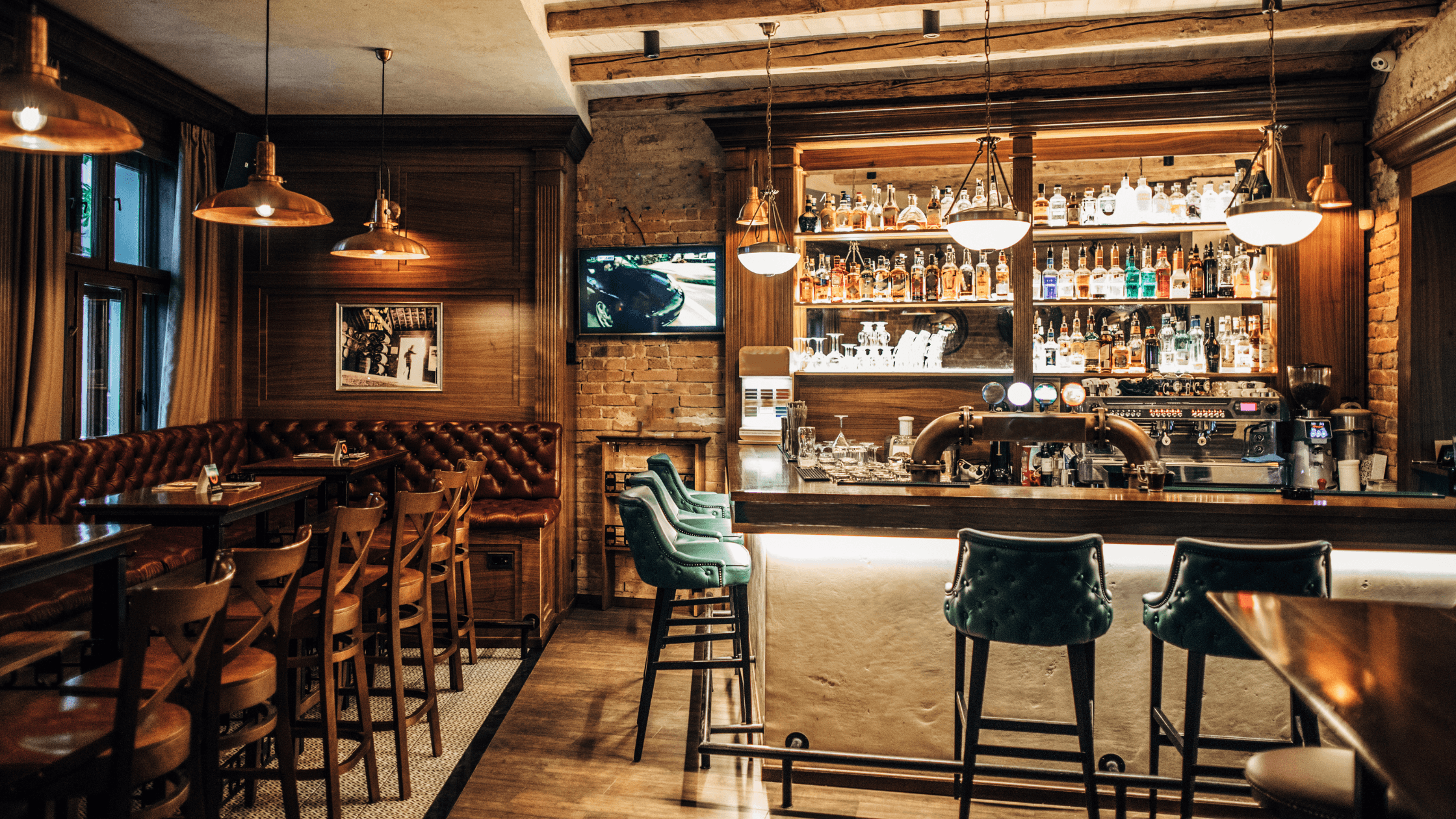
In the UK, most restaurants and pubs are not legally required to report their carbon emissions. The legal duty applies only to large companies, and the majority of independent and small hospitality businesses fall below the threshold. But a growing number are being asked for the data anyway, by suppliers, corporate clients, booking platforms and lenders, so measuring voluntarily is increasingly a commercial advantage rather than just a compliance task.
This guide sets out exactly when a restaurant or pub does have to report, why so many below the threshold are choosing to anyway, and what the data actually involves.
Is carbon reporting a legal requirement for restaurants and pubs?
For most, no. The main mandatory carbon-reporting regime in the UK is SECR (Streamlined Energy and Carbon Reporting), which is part of company law under the Companies Act and has applied since financial years beginning on or after 1 April 2019 (GOV.UK, Environmental Reporting Guidelines).
SECR only applies to quoted companies (of any size) and to large unquoted companies and LLPs. A business counts as “large” if it meets at least two of these three thresholds (Companies Act 2006):
- 250 or more employees
- Turnover of £36 million or more
- Balance sheet total of £18 million or more
Large hotel chains, pub groups and restaurant chains typically meet these thresholds and must report. An independent restaurant, a single pub or a small group almost always falls below two of the three, and so has no legal obligation to report (Companies Act 2006; SI 2018/1155).
Which hospitality businesses do have to report?
If your business is above the threshold, or part of a group that is, you must include an energy and carbon disclosure in the Directors’ Report filed with your annual accounts. The minimum content is (GOV.UK, Environmental Reporting Guidelines):
- Scope 1 and Scope 2 emissions (direct emissions, and purchased electricity)
- Total UK energy use in kWh
- At least one intensity ratio (for example, emissions per cover served, or per square metre of floor space)
- A narrative on the energy-efficiency actions taken during the year
- The prior year’s figures, after the first year of reporting
Scope 3 emissions (the wider supply chain, which for hospitality is dominated by food and drink purchasing) are not mandatory under SECR, with one exception: business travel in rental cars or employee-owned vehicles where the company pays for the fuel is required for large unquoted companies (GOV.UK, Environmental Reporting Guidelines).
One useful relief: large companies that use 40 MWh of energy or less in the reporting period are classed as low energy users and can state that instead of making a full disclosure (GOV.UK, Environmental Reporting Guidelines).
Why are smaller restaurants and pubs being asked to report anyway?
Even where it isn’t a legal duty, the pressure is arriving commercially, and often sooner than operators expect:
- Larger customers and corporate clients. Big companies that are required to report have to account for their own supply-chain emissions, so they push data requests down to the suppliers they buy from, including the restaurants and venues they use for events and corporate hospitality.
- Booking platforms and travel management companies. These increasingly ask venues for sustainability and carbon information as part of listing or preferred-supplier arrangements.
- Lenders. UK banks increasingly treat sustainability performance as part of credit-risk assessment, and green or sustainability-linked finance requires emissions data.
- Tenders. Bidding for a central-government contract worth more than £5 million a year requires a Carbon Reduction Plan covering Scope 1, Scope 2 and a defined set of Scope 3 emissions, under procurement policy note PPN 006 (Cabinet Office, PPN 006), regardless of the business’s size.
In short, the question for most hospitality operators is shifting from “does the law require it?” to “does keeping this customer, contract or loan require it?”
Is the threshold likely to change?
Possibly. The Government reviewed SECR in 2026 and did not recommend scrapping it; the post-implementation review published on 26 May 2026 recommended keeping SECR with amendments (GOV.UK / Department for Energy Security and Net Zero, SECR post-implementation review, 2026). Separately, the UK Sustainability Reporting Standards (UK SRS) were published for voluntary use in 2026, with mandatory climate reporting proposed for listed companies from 1 January 2027, though this remains a proposal under consultation, not yet law (Department for Business and Trade, 2026; FCA consultation CP26/5).
The direction of travel is toward wider reporting over time, which is part of why many operators choose to build the capability now rather than wait.
Should a restaurant or pub report voluntarily?
For many, yes, and increasingly it’s a commercial decision rather than a compliance one. Voluntary measurement lets you answer a supplier questionnaire, a booking platform or a lender the moment the request lands, rather than scrambling when a contract depends on it. It also prepares you for any future lowering of the threshold.
The starting point is straightforward: measure your Scope 1 and 2 emissions from the energy data you already hold, your electricity, gas and fuel bills, and set a baseline you can track and improve from.
Frequently asked questions
Do small restaurants and pubs have to report carbon emissions?
Generally no. SECR applies only to large companies (meeting two of: 250+ employees, £36m+ turnover, £18m+ balance sheet) and to quoted companies. Most independent hospitality businesses are exempt (Companies Act 2006).
What do large hospitality businesses have to report?
Scope 1 and 2 emissions, total UK energy use in kWh, at least one intensity ratio, and a narrative on energy-efficiency actions, within the Directors’ Report (GOV.UK, Environmental Reporting Guidelines).
Do we have to report Scope 3, including the food we buy?
Not under SECR. Scope 3 is voluntary, except for business travel in rental or employee vehicles where the company buys the fuel (GOV.UK, Environmental Reporting Guidelines). Many operators measure food and drink emissions voluntarily because it’s their largest source.
Why is a customer asking for our carbon data if we don’t have to report?
Because they probably do have to, and must account for their supply chain. That obligation passes down to the suppliers and venues they use, regardless of your size.
What’s the benefit of reporting voluntarily?
You can answer supplier, booking-platform and lender requests quickly, win and keep contracts that increasingly require the data, and prepare for any future tightening of the rules.
How Vision Zero Connect helps
Whether you’re a large group that has to report or an independent operator being asked for carbon data by a customer or lender, the task is the same: turn your energy data into a credible emissions figure you can stand behind. Essentials builds an audit-ready Scope 1 and 2 report directly from your existing electricity, gas and fuel bills, so you can answer a supplier questionnaire, a booking platform or a lender quickly, without a consultant. As your needs grow, Essentials+ extends into Scope 3, including the food and drink purchasing that makes up most of a hospitality business’s footprint.
Being asked for carbon data by a customer or supplier?
Book a short meeting with our team to see how Essentials turns your existing energy bills into an audit-ready Scope 1 and 2 report.
Sources
- SECR regime, thresholds, disclosure content, 40 MWh de minimis, Scope 3 business-travel exception: GOV.UK, “Environmental reporting guidelines: including Streamlined Energy and Carbon Reporting requirements”; The Companies (Directors’ Report) and Limited Liability Partnerships (Energy and Carbon Report) Regulations 2018 (SI 2018/1155); Companies Act 2006.
- SECR 2026 post-implementation review (published 26 May 2026, recommends retention with amendments): GOV.UK / Department for Energy Security and Net Zero.
- UK SRS published 2026 (voluntary); proposed mandatory for listed companies from 1 January 2027: Department for Business and Trade; FCA consultation CP26/5. Not yet law.
- £5m government contract Carbon Reduction Plan: Cabinet Office, Procurement Policy Note PPN 006.